


Why do petanque players test the donnée? Rules and explanation
Why do petanque players test the donnée? Rules and explanation
Introduction
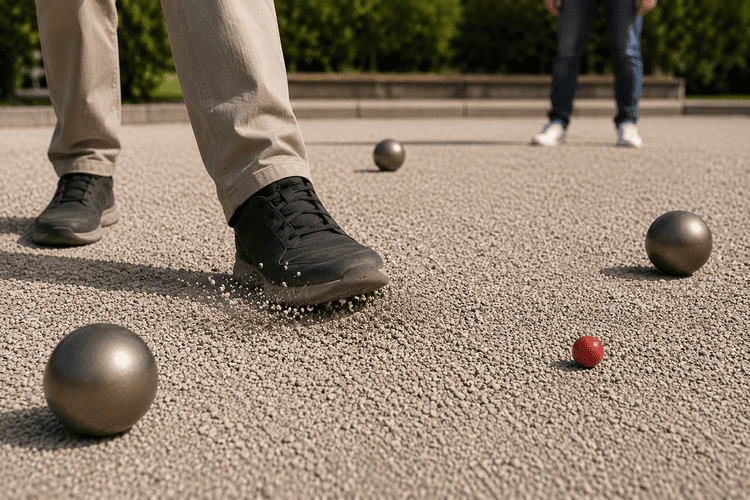
If you watch an experienced pétanque match, you'll often notice a very specific gesture.
Before playing, some players place their boule on the ground to inspect or "test" a precise spot on the terrain.
This spot is known in pétanque as the donnée (also called the donne).
The donnée is just as important for a pointer as it is for a shooter.
Contrary to what many people think, the purpose is not to modify the terrain, but to understand how the boule will react after landing.
Let's take a closer look at why the donnée is so important and what the official rules actually say.
What is the donnée in pétanque?
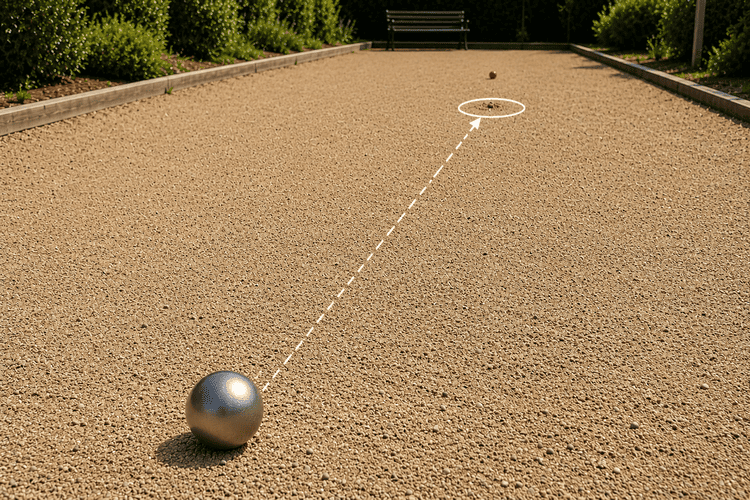
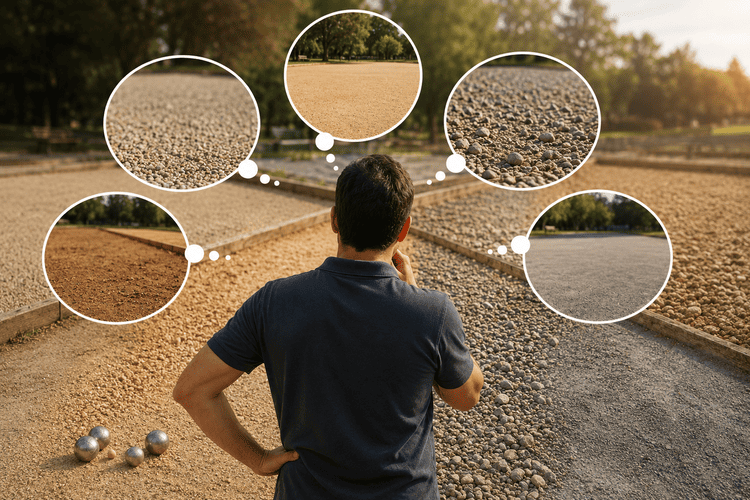
The donnée is the exact spot where a player wants the boule to land for the first time.
A good donnée allows the player to make the best use of the terrain's natural characteristics.
Depending on the surface, the boule may then:
- Roll farther;
- Slow down quickly;
- Change direction slightly;
- Take an unexpected bounce.
Choosing the right donnée is often one of the biggest challenges when pointing.
Why do pointers test the donnée?
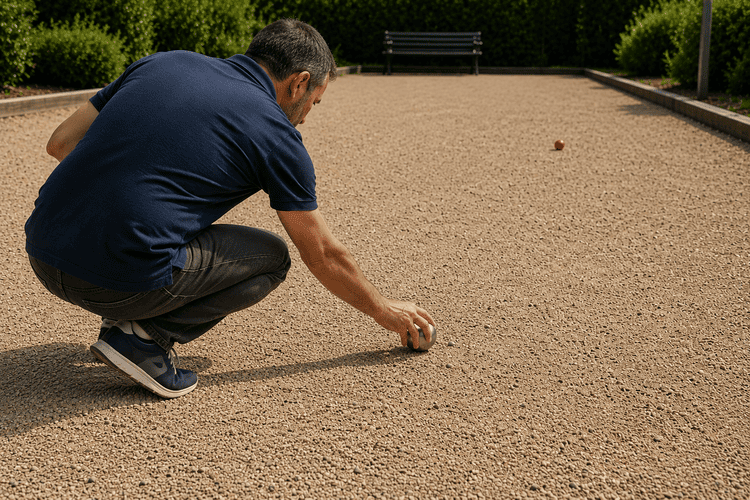
Before pointing, some players gently place their boule on the terrain to feel the texture of the donnée.
They are trying to determine whether the terrain is:
- Hard or soft;
- Compact or sandy;
- Fast or sticky.
This information helps them adjust:
- The height of the throw;
- The amount of force used;
- The boule's trajectory.
Moving the donnée by just a few centimetres can completely change the outcome of a point.
The donnée is just as important for shooters
The donnée is not only important for pointers.
Shooters also rely on a precise landing spot.
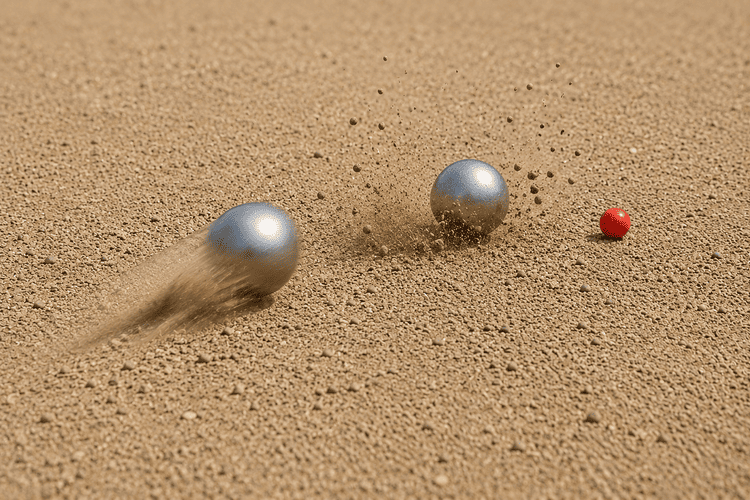
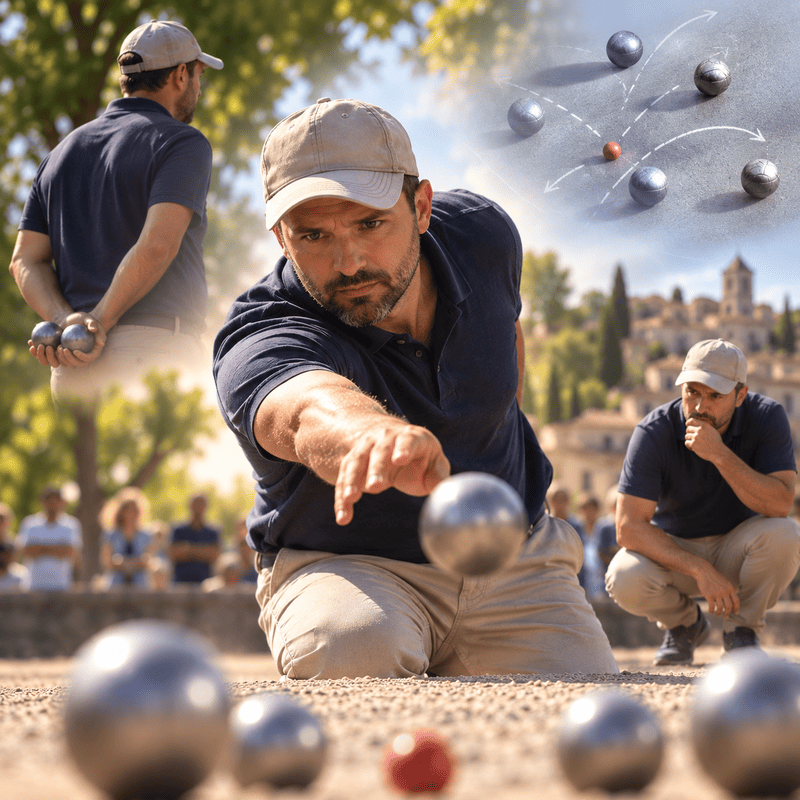
To make a palet, the shooter usually aims to land the boule just in front of the opponent's boule.
If executed perfectly, the opponent's boule is knocked away while the shooter's boule remains close to the cochonnet.
This is known as making a palet.
It is one of the most spectacular and highly valued shots in competitive pétanque.
What do the official rules say?
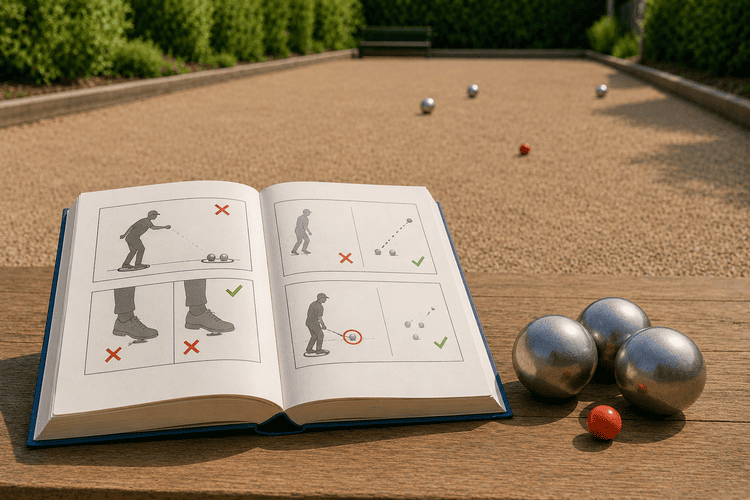
The official FIPJP rules are very clear on this subject.
According to Article 10, players are forbidden to remove, move or flatten any obstacle on the playing terrain.
In practice, this means it is forbidden to:
- Sweep the terrain before pointing or shooting;
- Remove loose stones or gravel;
- Stamp the ground to flatten the surface;
- Modify the terrain to gain an advantage.
However, the rules provide two important exceptions.
The first concerns the donnée.
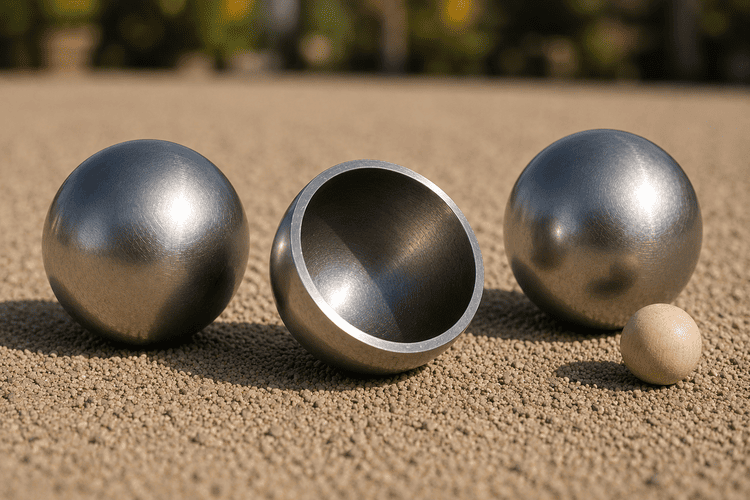
The player who is about to throw the cochonnet may test the donnée with one of their boules, provided they do not strike the ground more than three times.
This is simply intended to assess how the terrain reacts without altering it.
The second exception concerns holes left by previous boules.
The player about to play, or one of their teammates, may fill in a hole only if it was made by a boule played during the previous shot.
Outside these two specific cases, modifying the terrain may result in a penalty from the umpire.
Why do some players still sweep the terrain?
For many years, these gestures were widely tolerated, especially in casual games.
Many players developed habits such as:
- Lightly sweeping the terrain with a foot;
- Pressing loose gravel into the ground;
- Smoothing the area around the donnée.
Today, these actions are prohibited in official competitions and may be penalised under the FIPJP rules.
Umpires now pay closer attention to ensure every player competes on exactly the same terrain.
Conclusion
The donnée is one of the most important concepts in pétanque.
Whether you are a pointer or a shooter, selecting the right landing spot is essential for a successful throw.
The rules still allow players to test the donnée, but only under very specific conditions: the player throwing the cochonnet may test the landing spot with one of their boules, without striking the ground more than three times.
However, sweeping the terrain, removing stones or deliberately altering the playing surface is prohibited.
The best players do not try to change the terrain—they learn to read it, understand the donnée and adapt their technique accordingly.
Are you organizing a tournament?
With Petanque Manager, run your pétanque tournaments effortlessly with automatic match draws, live results and real-time rankings.
Create an organizer profile