


The different types of pétanque courts: how the playing surface affects your game ?
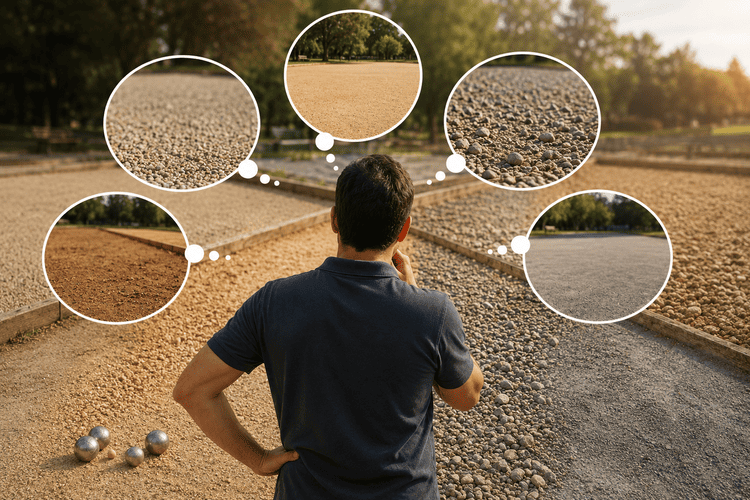
The different types of pétanque courts: how the playing surface affects your game ?
Introduction
When talking about pétanque, most people immediately think about boules, the jack, or the players’ technique.
However, one factor has a huge impact on how a game unfolds:
the playing surface.
And of course, there is no single type of pétanque court.
The categories we will look at represent the main types of surfaces, but in reality many courts combine several characteristics and often sit somewhere between multiple terrain types.
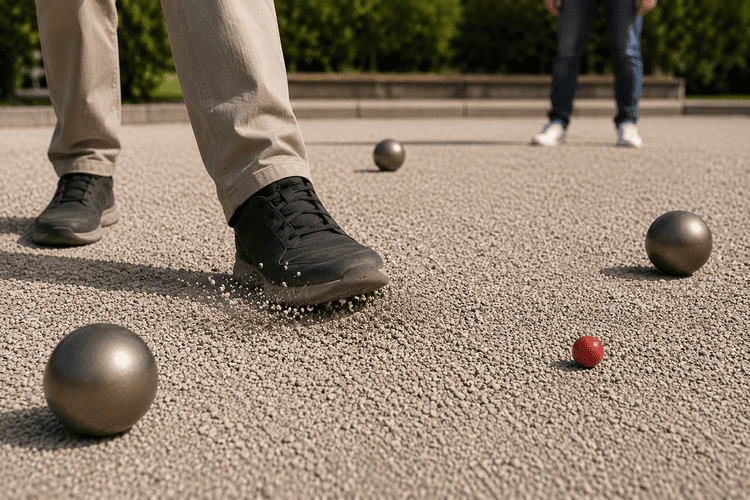
Sand courts, gravel, rocky terrain, clay surfaces, stabilized grounds… each surface significantly changes how the boules behave.
Depending on the terrain, certain techniques become more effective while others become much more difficult.
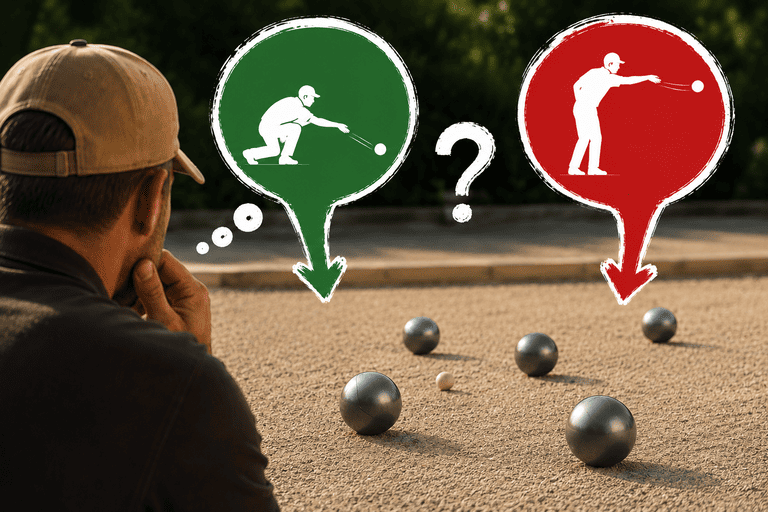
Some courts favor pointers, while others give shooters an advantage.
Let’s take a closer look at the main types of pétanque courts and how they influence the game.
Why Is the Terrain So Important in Pétanque?
In pétanque, the playing surface directly influences:
- The trajectory of the boules
- Pointing accuracy
- The behavior of the boule after hitting the ground
- Shooting difficulty
- The team’s overall strategy
Two players with similar skill levels can produce completely different performances depending on the terrain they are playing on.
Learning how to read a court is actually one of the most important skills among experienced players.
Sand Courts: The Most Accessible Surface
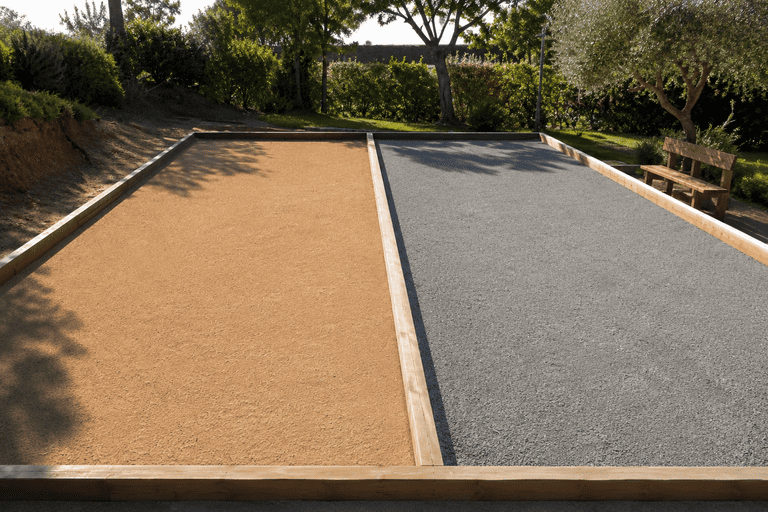
Sand-based courts are probably the most comfortable playing surface for the majority of players.
They are generally made from compacted sand of varying fineness.
Depending on how much sand is present on the surface, the terrain may be more or less fast rolling.
Main characteristics:
- Fairly consistent rolling
- Limited rebounds
- Relatively predictable surface behavior
- Possibility to shoot in front of the boule
This type of terrain suits almost every type of player, from beginners to experienced competitors, both pointers and shooters.
It is often the preferred type of court in many leisure clubs and official pétanque clubs.
Gravel Courts: Technical and Versatile
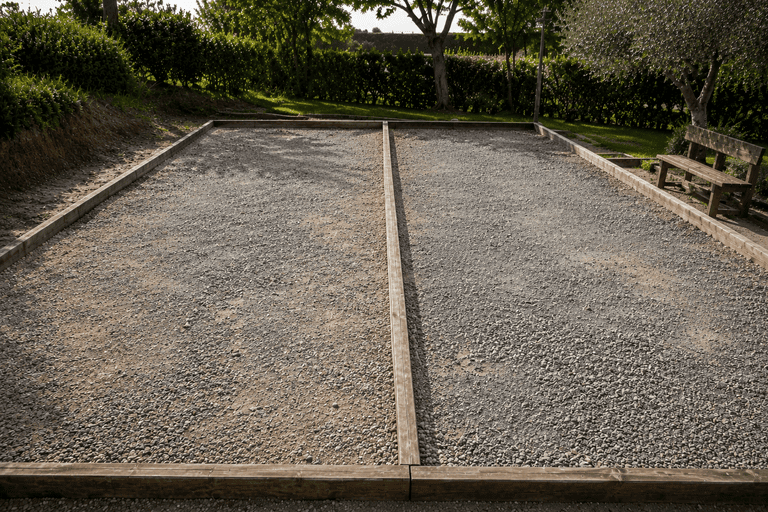
Gravel already brings more complexity to the game.
Small stones regularly affect the boule’s trajectory.
The court becomes less predictable.
You often encounter:
- Bad bounces
- Unexpected direction changes
- Uneven playing surfaces
On this type of terrain:
- Pointing becomes more technical
- Shooting requires greater precision, even though landing in front of the boule is still possible
- Experience becomes a real advantage
This type of court already begins separating beginner players from more experienced players.
Rocky Terrain: The Most Technically Demanding
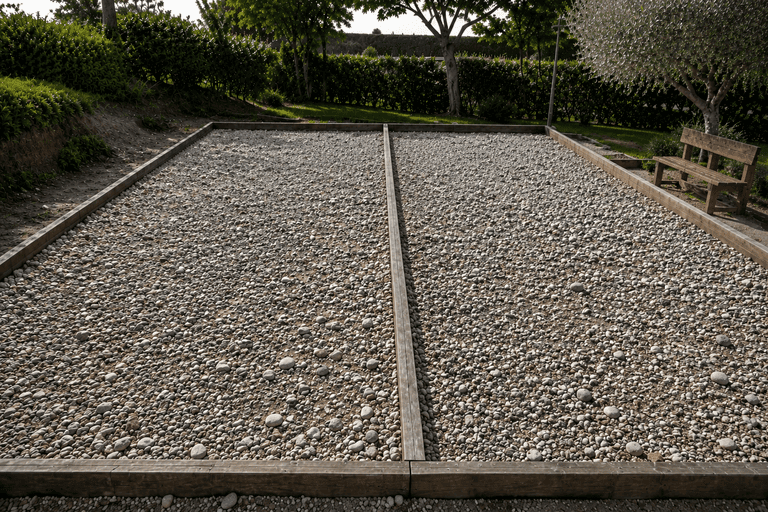
Highly rocky terrains are often feared by inexperienced players.
The ground becomes extremely uneven.
Boules can deflect with every impact.
On this type of surface, rolling a pointed boule becomes almost impossible.
Players must completely adapt their technique.
It often becomes preferable to:
- Shoot full iron (meaning hitting the boule directly)
- Search for very precise landing spots when pointing
- Limit rolling as much as possible
- Play with more lobbed throws
This type of terrain generally favors:
- Experienced players
- Pointers who master lobbed shots
- Shooters who hit directly on the boule
It is often on this type of terrain that reading the court becomes essential.
It is also on these surfaces that you truly recognize great pétanque players.
Clay Courts: Fast Rolling but Technical
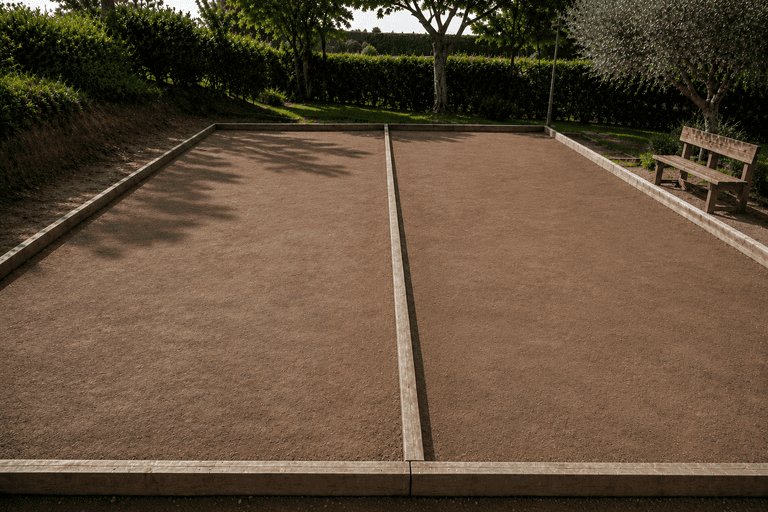
Clay surfaces usually offer fast rolling conditions, but become technical for shooters because most of the time you must shoot full iron and cannot shoot in front of the boule.
The behavior of the boules generally remains quite predictable.
Main characteristics:
- Very few obstacles
- Boules roll a lot
- Relatively homogeneous surface
This type of terrain particularly suits:
- Beginner pointers
- Players who point using rolling shots
- Experienced shooters
Be careful though:
after rain, clay can become much softer, making the court significantly slower.
Stabilized Grounds: Very Common in Championships
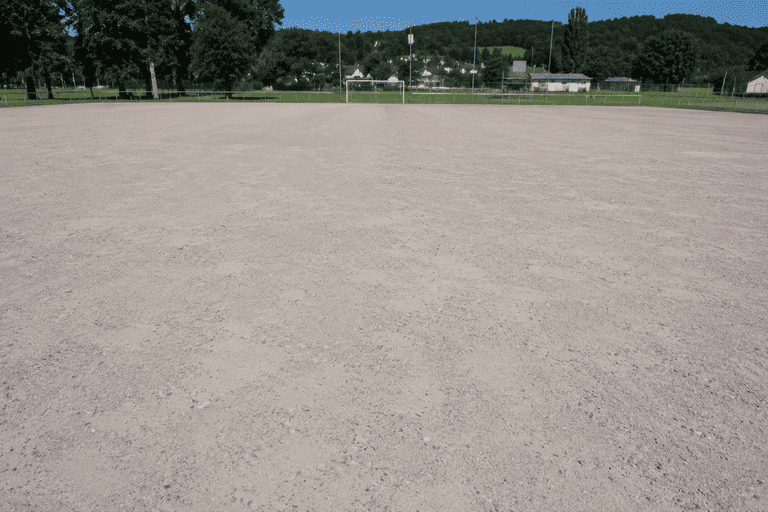
In many departmental or regional championships, games are often played on stabilized grounds simply because clubs usually do not have enough dedicated courts to host official competitions.
These are not real courts specifically designed for pétanque.
The behavior can vary dramatically depending on ground thickness and the amount of sand:
- Some areas roll extremely fast
- Others stop the boule abruptly
- The terrain is not always homogeneous
This forces players to constantly adapt.
This is actually a very common reality in official competitions, especially with bad weather conditions often occurring during March and April.
Can You Play Pétanque on Any Surface?
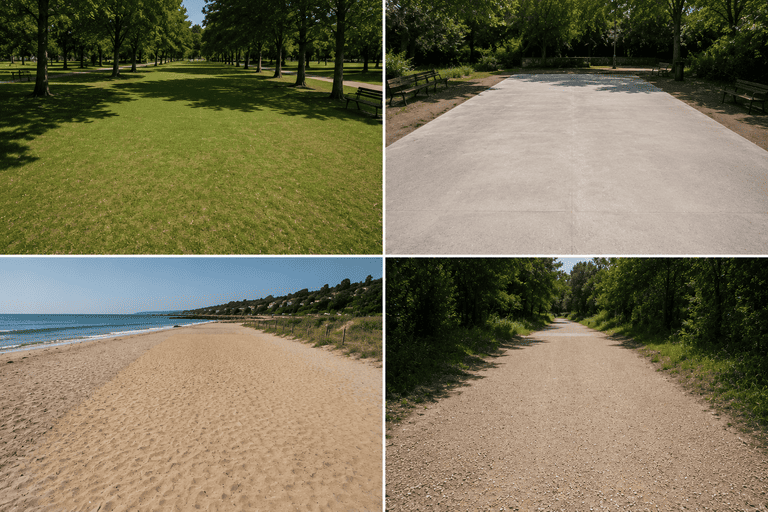
Technically:
yes.
Pétanque can be played almost anywhere.
You can play:
- On grass
- On dirt
- On concrete
- On sand
- On pathways
- On parking lots
However, the game quickly loses interest if the surface becomes impossible to point on.
For example:
On grass, boule behavior becomes highly unpredictable.
On concrete, pointing becomes extremely difficult, especially if the surface has any slope.
On sand, boules barely roll at all.
Each Type of Terrain Favors Different Playing Styles
| Terrain Type | Playing Style Favored |
|---|---|
| Sand | Beginners, rolling play, simple pointing and shooting |
| Clay | Fast rolling play, regular trajectories but technical shooting |
| Gravel | Half-lob throws, intermediate to experienced players |
| Rocky Terrain | Lobbed throws, direct shooting, experienced players |
| Stabilized Ground | Unpredictable play, adaptable to all player profiles |
The Best Players Know How to Adapt
An excellent pétanque player is not recognized solely by technical ability.
Great players are mainly recognized by their ability to adapt.
Top players quickly analyze:
- Court speed
- Hard areas
- Soft areas
- Potential bad bounces
- The best landing zones (where to throw the boule)
This ability to read the terrain often makes the difference in high-level competitions.
Conclusion
In pétanque, the terrain is an integral part of the game.
Each surface deeply changes the sensations, strategies, and technical decisions players must make.
A sandy court is often ideal for beginners, while rocky terrain requires far greater experience and control.
Understanding different types of terrain allows players not only to play better… but also to adapt more effectively during competitions.
Because ultimately, in pétanque, knowing how to read the court is almost as important as knowing how to throw the boule.
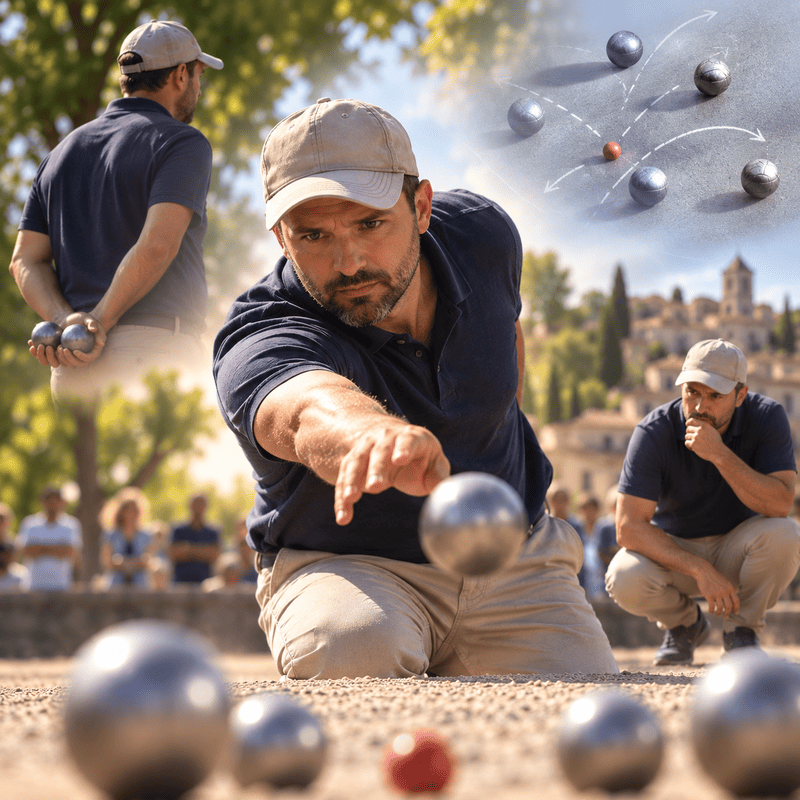

Are you organizing a tournament?
With Petanque Manager, run your pétanque tournaments effortlessly with automatic match draws, live results and real-time rankings.
Create an organizer profile